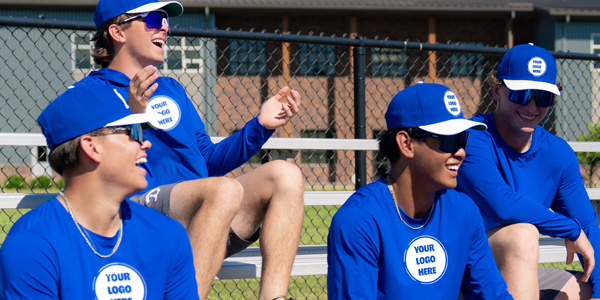
Whether you picked it up at a charity 5K, got it from your employer, or received it as part of a team kit — branded performance apparel is worth taking care of. Moisture-wicking polos, athletic tees, quarter-zips, and sweatshirts are genuinely useful gear. But unlike your average cotton tee, they need a little extra attention to stay looking and performing their best.
Performance fabrics — polyester, spandex blends, nylon, and technical knits — are engineered to do specific things: wick moisture, stretch and recover, resist odors, and hold up during activity. Those properties can degrade surprisingly fast with the wrong laundry habits. And when there’s a logo involved, improper care is usually what causes it to crack, peel, or fade long before the fabric itself gives out.
Here’s what to do (and what to avoid) to get the most out of your gear.
Here’s what to do (and what to avoid) to get the most out of your gear.
Understand What You’re Working With
Performance fabrics aren’t like regular cotton. They’re built with tiny fiber structures that move moisture away from your skin, and those structures are sensitive to heat and certain detergents. The logo or decoration on your garment adds another layer of consideration — heat transfers, embroidery, and sublimation prints each have different care needs, and most people don’t realize how easy it is to accidentally damage them in the laundry.
The good news: once you know the basics, caring for performance apparel is just as easy as anything else in your closet.
Care Tips That Actually Make a Difference
Wash in cold water, always.
Heat is the enemy of performance fabrics. Hot water breaks down elastane and polyester fibers over time, reduces moisture-wicking effectiveness, and is a major culprit behind heat transfer logos cracking or peeling at the edges. Cold water cleans just as effectively for sweat and everyday soil — and it significantly extends the life of your garment.
Turn garments inside out before washing.
This simple step protects the logo on the outside of your shirt. Washing inside out reduces friction on the decoration surface, prevents pilling on the face of the fabric, and helps preserve any performance finishes. It’s a simple habit that makes a meaningful difference over dozens of wash cycles.
Ditch the fabric softener.
This one surprises most people. Fabric softener coats fibers with a waxy residue that clogs the tiny spaces in performance knits — the same spaces responsible for moving sweat away from your body. After just a few washes with softener, a moisture-wicking shirt essentially stops wicking. Use a small amount of regular detergent, or a sports-specific detergent if you wear the gear heavily.
Use the gentle or delicate cycle.
Aggressive agitation causes pilling, can distort stretch fabrics, and puts stress on seams and logo edges. Gentle cycles are more than sufficient for activewear.
Air dry when you can — low heat if you must use the dryer.
High dryer heat degrades elastane, can permanently set odors into synthetic fibers, and is the number one cause of heat transfer logos peeling at the corners. Hang or lay flat to dry whenever possible. If you use a dryer, go with the lowest heat setting and pull the garment out while it’s still slightly damp.
Never iron directly over a logo.
Heat transfer vinyl, sublimation prints, and embroidered patches on performance fabrics can melt, bubble, or distort under a direct iron. If your garment needs pressing, use a pressing cloth over the logo and keep the heat low.
A Few Extra Tips for Logo’d Gear
Promotional apparel often has a decorative element that needs a little extra care beyond the fabric itself.
Wash embroidered items before wearing them the first time.
Embroidery stabilizers used during production can leave a slight stiffness. A cold-water wash before the first wear softens things up and removes any residue from the decoration process.
Don’t soak logo’d garments.
Extended soaking — especially in hot water or with heavy detergent — can loosen the adhesive on heat transfers or cause embroidery threads to relax and distort. Wash promptly and don’t leave wet garments sitting in the drum.
Treat stains quickly, but carefully.
If you get a stain, treat it sooner rather than later. Use a stain remover that’s safe for synthetic fabrics, and apply it away from the logo if possible. Avoid scrubbing the logo directly.
Storing Your Gear Between Uses
How you store performance apparel matters too, especially if you wear it seasonally or only for specific events.
Keep it folded or hung in a cool, dry place away from direct sunlight. UV exposure fades color even when the garment isn’t being washed. Avoid leaving performance gear bunched in a gym bag for days after a workout — moisture trapped in synthetic fabrics breeds odor-causing bacteria that becomes harder to remove over time. Give it a wash (or at least air it out) after each use.
The Bottom Line
The best promotional products are the ones that get used — and keep getting used. Performance apparel that lasts is apparel that keeps your brand in circulation.
With the right care guidance built into your program from the start, you’ll deliver something people actually hold onto. The garments are built to perform — but they’ll do that much longer if you treat them right. Cold water, no softener, air dry, inside out. Get those four habits down and your gear will look sharp and function well for years.