Think lanyards first gained popularity with gym teachers? Think again! While originally used to attach weapons to a soldier’s uniform in France in the 15th century, what lanyards are used for has changed over time and are varies by occupation. Common lanyard uses include securing something or keeping something close to a person. And the popularity of lanyards has only increased over time as people get more and more creative with how they use lanyards.
What is a Lanyard?
A lanyard is essentially a long cloth necklace made from a soft material—such as polyester, plastic or cotton—that is cut in a variety of widths and includes a clip or attachment at the bottom to hold keys, company ID, name badges or other small items like USB drives. Lanyards can also be made with beaded chains, braided or flat cords, or flat knit material that lends well to imprinting and displaying company branding.
Simply put, the purpose of a lanyard is to help you keep important things close by and easy to find.
What is a Lanyard Used For?
Over time, people have developed a variety of uses for lanyards. Here are a few of the most common uses for lanyards:
• Events and conferences. When you hear the phrase “badge of honor,” conference and event lanyards with name badges jump to the top of the list, especially ones with customized name badge ribbons. Often used post-event to decorate workspaces (and spur ongoing conversations), lanyards are used at conferences and events as a practical giveaway to help attendees and speakers keep their name tag and other conference materials (such as a wallet-sized schedule and pen) handy. Lanyards can be customized with your brand’s colors, or even imprinted with a company or event logo.
• As part of a work uniform. For many professionals, such as schoolteachers and staff, coaches, security personnel and healthcare workers, wearing a lanyard with their identification and keys is common practice. Corporate employees who must scan their IDs to gain access to various buildings or rooms at their workplace often use lanyards, as well as members of the media to display their media credentials.
• On college campuses. Typically, at college orientation, students will have their photos taken for their student ID and will often receive a shiny new lanyard to keep it handy. Paired with their room key or any other essentials, lanyards help thousands of college students keep their essentials handy. University employees also use lanyards for their IDs, as well as keys to offices and various buildings on campus.
• Personal use. Finally, lanyards are used commonly in homes. Maybe you’re the separate lanyard for separate activities kind of person with one lanyard and set of keys for work, one for home, one for volunteer activities, one for the gym, etc. However, you organize your lanyards, it’s no secret that it’s easier to find keys when they’re hanging on lanyard.
What are the different types of lanyards?
The two main types of lanyards include custom printed badge lanyards and non-printed neck cords.
For a lightweight and attractive look (and cost), polyester custom event badge lanyards are lightweight and look as attractive as their low cost. With a large imprint area and hundreds of color combinations to choose from, polyester lanyards can help your brand stand out.
On the other hand, cotton badge lanyards provide a soft and comfortable cord to wear, some with a no-twist guarantee, to ramp up your event security by ensuring name badges or event passes are always displayed properly.
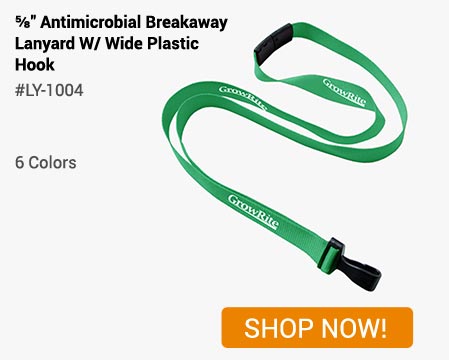
Adjustable lanyard badge holder styles are also available, allowing everyone to decide how they want to wear their neck cords. For environments with snag risks or younger lanyard wearers, breakaway options provide for added peace of mind and safety.

4 Lanyard Ideas to Create the Perfect Marketing Tool for your Brand or Event
- Think about your audience. With seemingly endless ways to customize, you can really make a lanyard that goes the distance—carrying your brand name well beyond the conference, event or first day you handed them out. Take some time to get to know your audience. What will they use the lanyard for? What ways will they customize it? Think through how your audience might use the lanyards so you can customize it and make it easier for them to use. For example, if your lanyard wearers are younger, consider a breakaway strap paired with a clip to make it easy to put on, as well as easy for your participants to clip on their name badge.
- Think about your brand. How can you work in your branding, so it stands out, but the lanyard is still functional? Whether it’s a pop of color in the straps, an imprinted logo or keychain with branded elements, you have a variety of options to get your name out there.
- Make it functional. After you know how your audience will use the lanyards, think about ways you can make it useful beyond the date you hand it out. Maybe it’s adding an ID holder that’s also large enough to hold a phone, or maybe it’s a clip with hand sanitizer. Whatever you put on your lanyard, make sure it’s in line with what your audience needs.
- Consider alternative ways to wear. While around the neck is a common way to wear a lanyard, your lanyard recipients may want to wear theirs differently. Whether they attach it to their luggage, wear it as a bracelet or even hang it out of a pocket, consider how your branding may look with different uses before you decide on a lanyard design.
Lanyards are a multi-use tool that have stood the test of time. Help make your lanyard a treasured piece of your audience’s day-to-day routine using the tips above. Work with one of our lanyard specialists for ideas on how to customize your branded lanyards.