When it comes to branded apparel, nothing works harder than a great T-shirt.
It’s versatile. It fits every budget. It works for events, onboarding, retail-style company stores, and employee appreciation. And when done right? It becomes something people actually wear — not something that lives in a drawer.
Here’s your complete guide to selecting the right custom logo T-shirts for your organization.

1. Why Custom T-Shirts Are a Must Have
Custom T-shirts continue to outperform most promotional products because they combine practicality with visibility. Unlike items that sit on a desk or get tucked into a drawer, T-shirts become part of someone’s wardrobe. That means your brand is not just seen once — it is worn repeatedly, in offices, at events, in public spaces, and even socially.
From a business perspective, they also offer one of the lowest costs per impression in branded merchandise. A well-made shirt can generate hundreds of impressions over its lifespan, making it both a marketing tool and a culture-building asset. When thoughtfully selected, a T-shirt does more than promote a logo — it reinforces identity, belonging, and brand presence.
In a B2B environment, they’re especially effective for:
- Employee onboarding kits
- Company stores
- Trade shows & events
- Volunteer initiatives
- Customer giveaways
- Internal culture programs
They’re size-inclusive, easy to reorder, and adaptable to nearly any budget. When the fabric and fit feel intentional, they resemble retail apparel rather than promotional merchandise — which dramatically increases the likelihood they’ll actually be worn.
2. Understanding T-Shirt Fabric Options
Fabric is the foundation of a great T-shirt. It impacts how the shirt feels, how it fits over time, how well it holds decoration, and how often it gets worn.
Before choosing based on price alone, it’s important to consider who will be wearing it and in what environment. Comfort, durability, and performance all play a role in long-term brand visibility.
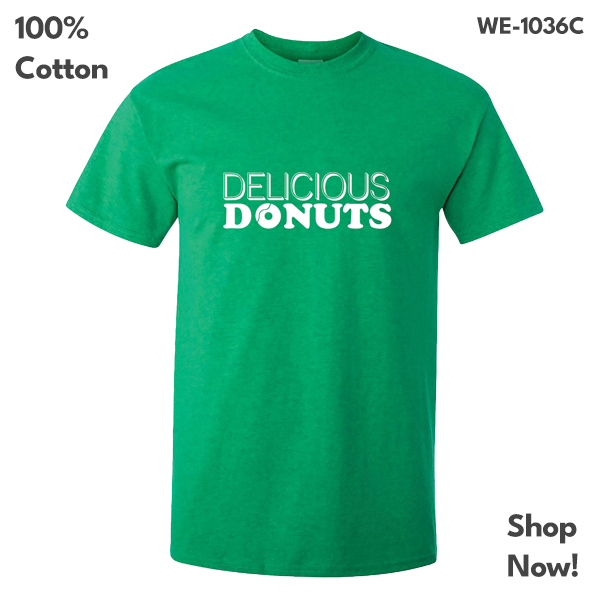
100% Cotton
Cotton remains the most traditional and widely used T-shirt fabric. It offers a natural, breathable feel that works well in most environments.
- Soft and breathable
- Classic feel
- Great for screen printing
- Can shrink if not pre-shrunk
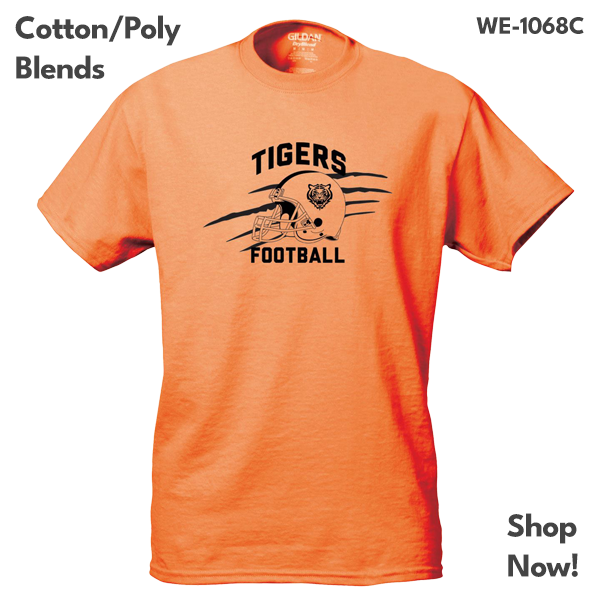
Cotton/Poly Blends (50/50 or 60/40)
Blends combine the comfort of cotton with the durability of polyester. These shirts tend to hold their shape better and shrink less after washing.
- Less shrinkage
- More durable
- Great for active environments
- Holds shape better over time
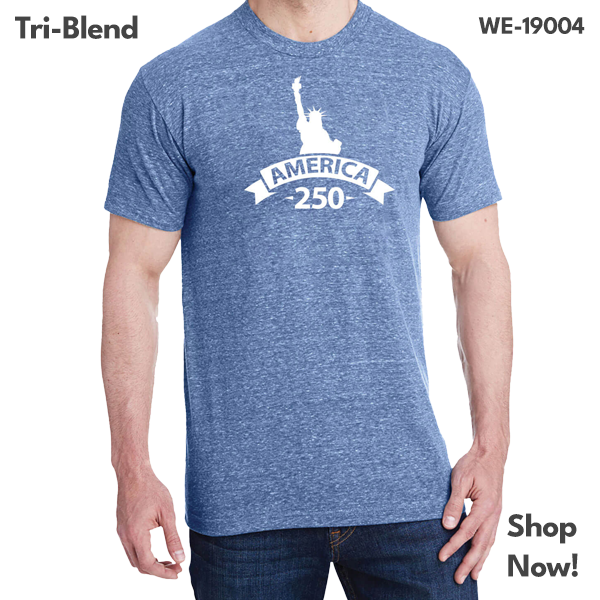
Tri-Blend
Tri-blend fabrics (cotton, polyester, rayon) are known for their ultra-soft feel and modern drape. They mimic retail fashion brands and typically deliver the highest perceived value.
- Ultra-soft
- Modern, retail-inspired look
- Slight stretch
- Elevated feel that increases perceived value
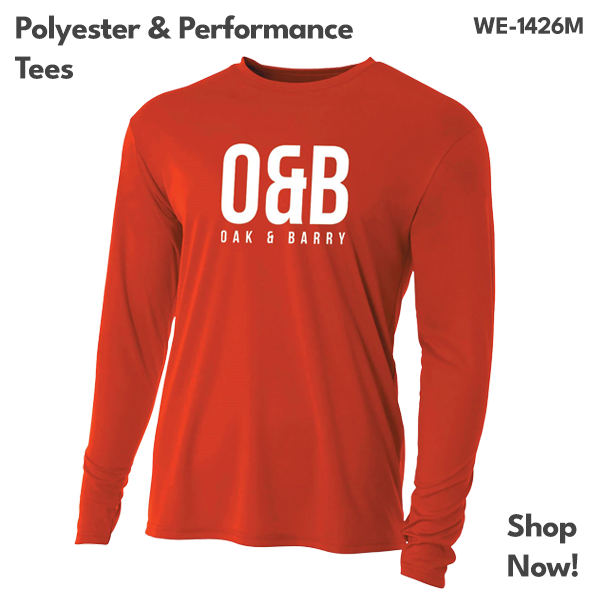
Polyester & Performance Tees
Performance fabrics are engineered for function. They’re designed to manage moisture, regulate temperature, and move with the wearer — making them ideal for active environments.
- Moisture-wicking
- Lightweight and breathable
- Resistant to shrinking and wrinkling
- Often includes stretch
- Ideal for outdoor teams, events, and active roles
Performance tees are especially strong for:
- Field employees
- Warehouse or logistics teams
- Company 5Ks or wellness initiatives
- Summer events
- Hybrid teams who want all-day comfort
3. Fit & Style Matters More Than You Think
Choosing the right silhouette affects wear rate. Even a high-quality T-shirt won’t get worn if the cut doesn’t feel flattering or modern. Today’s expectations lean toward retail-inspired silhouettes rather than boxy promotional cuts.
Popular Options:
- Unisex Crew Neck (most common)
- Men’s & Women’s Tailored Fits
- V-Neck
- Long Sleeve
- Performance Tee
4. Decoration Methods: What Works Best
Decoration impacts both cost and longevity. The right method depends on volume, artwork complexity, and how the shirt will be used.
Before selecting a decoration method, consider whether the goal is high-volume distribution, retail-level presentation, or personalization.
Screen Printing
- Most cost-effective for larger quantities
- Bold, vibrant designs
- Ideal for events and larger rollouts
Embroidery
- Less common on tees
- Best for small, simple logos
- More elevated look
Direct-to-Garment (DTG) or Direct-to-Film (DTF)
- Great for detailed artwork
- Lower minimums
- Flexible for smaller batches
- Good for on-demand company stores
Heat Transfer
- Ideal for personalization
- Works well for short runs
For large company rollouts, screen printing remains the most economical option. For smaller batches, evolving programs or company stores, on-demand methods like DTG/DTF, offer flexibility.
5. How to Choose the Right T-Shirt for Your Audience
Choosing the right T-shirt starts with understanding the end user. The most successful branded apparel programs are built around the wearer — not the budget spreadsheet.
Before placing an order, step back and think strategically about how the shirt will be used, who will wear it, and what impression it should create. A T-shirt for a one-day event has very different requirements than one designed for ongoing employee wear.
Start with these questions:
Start with these questions:
- Who will be wearing them?
- Is this for a promotional event or for long-term wearability?
- Does comfort or durability matter more?
- Will this live in a company store or ongoing apparel program?
- What price point aligns with your overall budget strategy?
If this is for employee appreciation or culture building, lean toward softer, more premium fabrics. The difference in perceived value is significant.
If it’s for a one-day event, a durable, cost-effective mid-weight cotton may be perfect.
6. Pricing Considerations
T-shirt pricing can vary significantly depending on fabric, decoration, and production strategy. While it’s tempting to focus only on unit cost, long-term value often matters more than the lowest upfront price.
Understanding the components that influence pricing allows you to build a program that feels intentional rather than reactive.
T-shirt pricing depends on:
- Brand and fabric type
- Decoration method
- Number of print locations
- Order quantity
- On-demand vs bulk production
One effective strategy is offering tiered options. This gives flexibility while maintaining control over budget and presentation.
- Core tee (budget-friendly staple)
- Premium retail-style tee
- Limited or seasonal design
Tiering creates choice without overwhelming buyers and allows different audiences to engage at different price points. It also prevents the program from feeling one-dimensional.
7. Common Mistakes to Avoid
T-shirts may seem simple, but small decisions can dramatically affect wear rate and long-term satisfaction. Many programs fall short not because of budget — but because of overlooked details.
Being intentional upfront helps avoid costly reorders, excess inventory, or low engagement.
- Choosing the cheapest option without considering comfort
- Offering only one unisex fit
- Overcomplicating artwork or oversizing logos
- Ignoring shrinkage and fabric performance
- Skipping samples
A T-shirt is often the most visible and widely distributed piece of branded apparel. When executed thoughtfully, it becomes a consistent brand amplifier. When rushed, it becomes forgettable.
Final Thoughts: T-Shirts Are Your Brand’s Billboard
When chosen strategically custom logo T-shirts:
- Increase brand visibility
- Strengthen company culture
- Encourage repeat wear
- Provide measurable ROI
The key isn’t just ordering tees — it’s selecting fabric, fit, and decoration that align with how people live and work.
If you treat your T-shirts like retail pieces instead of giveaways, your team (and your brand) will feel the difference.