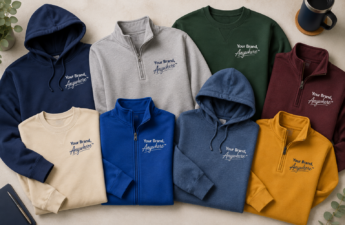
Virtual and hybrid tradeshows have changed how brands connect with attendees, but they have not eliminated the need for physical touchpoints. In fact, as events move online, promotional products often become more important, not less. When attendees are no longer walking a show floor, tangible items help brands stand out, create memorable moments, and extend engagement beyond a screen.
Promotional products bridge the gap between digital experiences and real-world interaction. When used thoughtfully, they support connection, reinforce branding, and add value to virtual and hybrid tradeshows.

Evolution of Virtual and Hybrid Tradeshows
Virtual tradeshows and online tradeshows gained traction as organizations looked for ways to connect without travel or large in-person gatherings. Over time, many events evolved into hybrid tradeshows, combining digital programming with smaller in-person components.
These formats offer flexibility and broader reach, but they also introduce new challenges. Attendees are often distracted, multitasking, or engaging passively. Without the physical presence of a booth, brands must work harder to capture attention and create a sense of connection.
This shift has pushed marketers to rethink how they engage audiences and how promotional strategies fit into a digital-first environment.
Where Promotional Products Fit
Promotional products play a unique role in virtual tradeshows by adding a physical dimension to an otherwise digital experience. A branded item delivered before, during, or after an event creates anticipation and gives attendees something tangible to associate with the brand.
Rather than being handed out at a booth, virtual tradeshow promotional items are often integrated into the event experience. They may support a keynote, complement a breakout session, or serve as a follow-up touchpoint after a meeting or demo.
The most effective virtual tradeshow giveaways are useful, well-branded, and relevant to the audience. Items that feel thoughtful rather than generic are more likely to be used and remembered, reinforcing brand recall long after the event ends.
This same principle applies to in-person events, which is why promotional strategy remains a key part of the broader approach outlined in the Tradeshow Booths & Displays: The Complete Guide to Tradeshow Marketing Success.
Shipping Kits and Engagement Packs
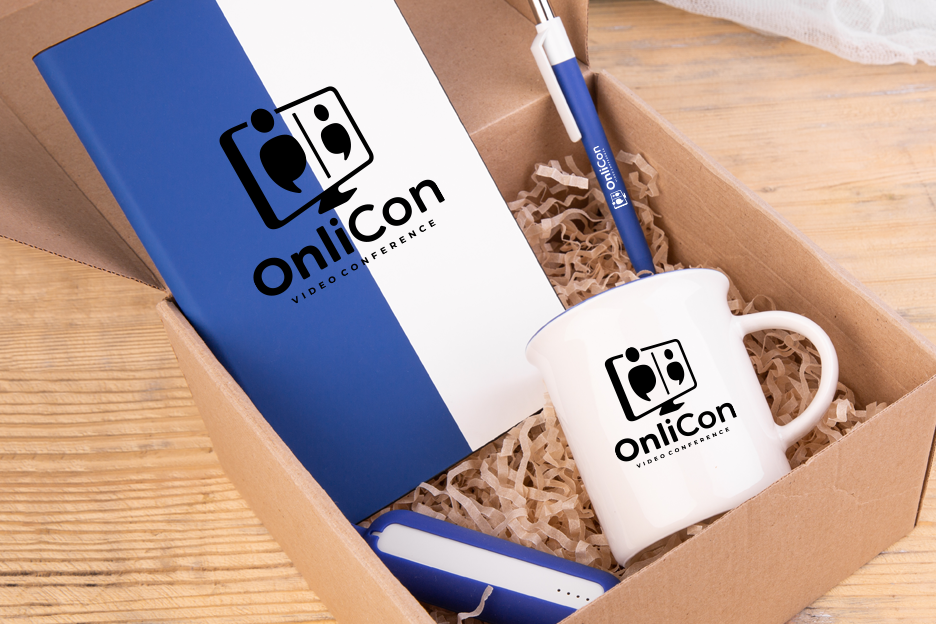
One of the most popular ways to use promotional products in virtual and hybrid tradeshows is through shipped kits or engagement packs.
These kits may include snacks, drinkware, office essentials, wellness items, or event-specific materials. When assembled intentionally, they help recreate the excitement of receiving a giveaway at a physical booth while fitting seamlessly into a digital format.
Shipping kits can be timed strategically. Sending them ahead of the event builds anticipation, while post-event kits reinforce key messages and extend engagement. Some brands align kits with specific sessions, product launches, or demos to create a cohesive experience.
Engagement packs also provide natural conversation starters during virtual meetings. Attendees may comment on what they received or how they are using the items, creating moments of connection that feel more personal than screen-only interactions.
These approaches align closely with the same principles used for in-person giveaways, which are explored in more detail in the guide to tradeshow giveaways that drive booth traffic.
Measuring Impact in Virtual Settings
Measuring the impact of promotional products in virtual tradeshows requires a slightly different approach than traditional events, but it is still achievable.
Quantitative metrics may include registration rates, attendance duration, session participation, and follow-up meeting requests. When promotional products are tied to specific actions or touchpoints, it becomes easier to evaluate their influence on engagement.
Qualitative feedback is equally important. Comments from attendees, post-event surveys, and anecdotal feedback from sales teams can provide insight into how promotional items were perceived and whether they enhanced the overall experience.
Tracking when kits were sent, what they included, and how they aligned with event goals helps teams refine future strategies. Over time, this data supports smarter decisions about which promotional products deliver the most value in virtual and hybrid environments.
Virtual and hybrid tradeshows may look different from traditional events, but the need for meaningful engagement remains the same. Promotional products help bridge the gap between digital interactions and real-world connection by giving attendees something tangible to remember and use.
When integrated thoughtfully through shipping kits, engagement packs, and follow-up touchpoints, promotional items enhance virtual experiences rather than feeling disconnected from them. They work best as part of a broader tradeshow strategy that aligns planning, design, giveaways, and measurement.
To see how promotional products fit into a complete approach to tradeshows—across in-person, virtual, and hybrid formats—visit Tradeshow Booths & Displays: The Complete Guide to Tradeshow Marketing Success. It brings all the elements together and helps teams plan events that deliver lasting impact.