When you hear the word branding, you may think of big brands with large budgets. Developing branding for a small business doesn’t need to take a Fortune 500-sized budget, and it’s important for the overall health of your organization.
Branding can help you stand out within a crowded marketplace and goes beyond simply picking a name and developing a logo—it’s those things PLUS your product offerings, product performance and the customer’s experience throughout the buying and post-purchase journey.
This blog post will share some small business branding tips and how to get started so you can strengthen your relationships with current and prospective customers.
What is small business branding?
Like corporate branding, small business branding doesn’t rely solely on a logo or visual identity but is made up of a variety of marketing and communications strategies and tactics to define and help your small business stand out. Small business branding goes beyond visuals and uses strategy, psychology, experiences and creative to engage your customers.
When it comes to making purchasing decisions, customers are looking beyond simply your product and service offerings and at what your brand stands for. For example, buying local and shopping small is a key consideration among Millennial and Gen Z shoppers, so it may be helpful to incorporate these elements into your brand identity.
By spending time on branding, you can establish and grow a healthy relationship with your customers, which builds brand loyalty (and repeat business!). Your branding creates belief in your company and gives your customers a reason to trust you—make it meaningful and strong!
How to start branding your business
As with many other new things, sometimes just getting started can seem overwhelming, and for a small business owner wearing many hats, branding can seem like a far-off dream. The good news is that branding isn’t built over night—it takes consistency and time. As your business matures and grows, so too will your branding. Here are a few small business branding tips to help you get started:
• Start by defining who you are and what you do. If you haven’t yet, identify your mission and vision. By knowing what your company stands for, you can better align your offerings, as well as how you talk about your business.
• Then, define who you are marketing to. Who are your buyers and what are they looking for? By understanding your audience, you can help shape your branding appropriately, highlighting certain values that align with your audience’s needs and wants.
• Research your competitors and identify your point of difference (POD). Now that you know yourself and your audience, take time to get to know your competitors. Look at others in your industry to see what they offer and how they talk about it to their customers. If your product or service is new, what are your customers using now to solve their problems and how can you distinguish your offerings?
• Develop your brand voice and story. Next, identify what stories you want to tell about your small business and how you want to tell them. Imagine your business as a person and take notes of your business’s personality. Is it bold, quirky, a helper, etc.? Be consistent with your voice and run all your communications through your brand voice filter.
• Develop your visual identity. This is where your colors, typefaces, logos and other visual identifiers come into the picture. The images that accompany your brand should align with who you say you are and be easy to match with your company name and values. For example, if your organization sells eco-friendly products and donates funds to fight deforestation, make sure your logo doesn’t look like a chainsaw!
• Use a variety of tactics, such as videos, radio and TV commercials, social media, digital ads, blog posts, etc. There isn’t one single strategy or tactic that will define your branding, but rather a full suite of marketing materials will help you develop a brand. Remember, consistency is key.
An important reminder: when you decide on your branding, it’s important to remain consistent by regularly including your brand’s logo, messaging, image, style and voice in all marketing materials.
Small business branding examples
Have you heard about Death Wish Coffee? Like their name suggests, Death Wish Coffee isn’t just any old coffee—they’ve made the claim to be the world’s strongest coffee, as in coffee that’s so strong you must have a death wish if you choose to drink it. Their branding is simple, yet bold, with black, white and red as their colors (which aligns with the “death” in their name), and a scull with cross bones as part of their logo. They are anything but boring, and their branding—from visuals to copy on their website and packaging—all supports their brand voice.
Strengthen your small business branding with giveaways that raise brand awareness
Building a brand involves telling your story and developing a perception among your customers and potential customers. A key piece of this is brand marketing, which, when done well, piques interest and gets your customers interested in you and your values.
One key extension of your brand marketing is promotional products. Promo products are a great way to increase brand awareness and impressions, and they are also a good way to showcase your values and build on the storytelling you’ve been doing through other channels.
Your promo items should align with who you say you are. Here are a few ideas to consider:
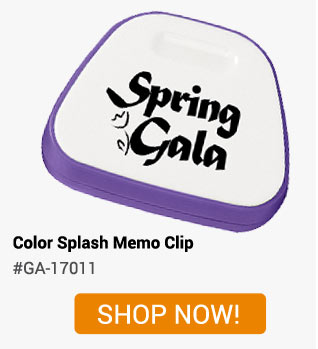
• Magnetic clip: With the versatility to be used at home or at the office in high-traffic areas, such as the refrigerator or snack drawer, a magnetic clip is a useful promotional item that also keeps your brand front and center.
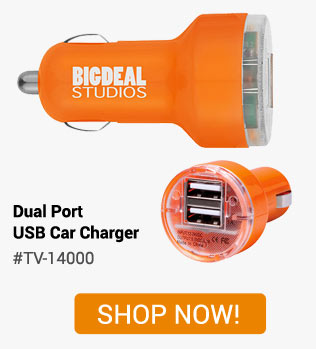
• USB car charger: Promotional items that help your customers or potential customers out when they are in a pinch—such as a USB car charger — brings your name top of mind and provides a much needed charging solution.
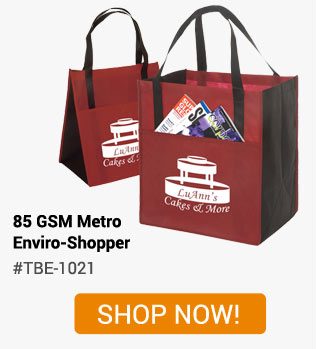
• Reusable shopping bag: With low cost and high visibility, a reusable shopping bag can help you (and your customers) make a positive change to protect the earth. Plus, with a 6×8” imprint area, you’ll have a large walking billboard when your customers take the bag to the farmer’s market or grocery store.
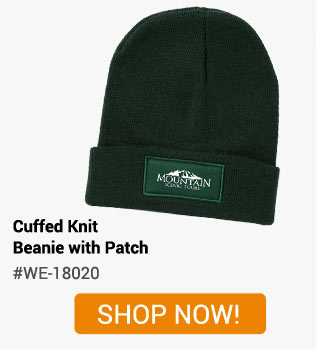
• Beanie: Give your customers something that’s useful for cold weather climates AND trendy with a cuffed beanie.
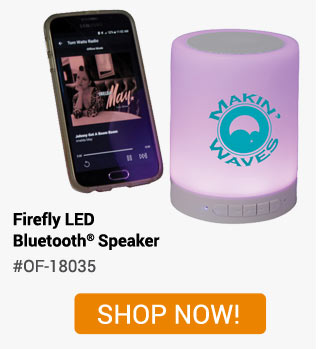
• LED Bluetooth Speaker: Leave a lasting impression with this color-changing Bluetooth® speaker featuring a built-in microphone for hands-free calling.
Brands are built over time and take dedication to consistently use your brand identity. Add hard-working promo pieces to the mix to help strengthen your branding efforts. Start a chat with a MARCO Promos team member to get started!