When attendees walk a tradeshow floor, they make split-second decisions about which booths deserve their attention. Before a conversation starts or a giveaway is offered, booth graphics do the heavy lifting. Tradeshow banners, backdrops, and signage determine whether a booth blends in or stands out.
Used strategically, large-format graphics increase visibility, clarify messaging, and guide attendees into the booth. This guide explains how different types of tradeshow signage influence traffic and how to choose the right options for your booth environment and goals.
Why Tradeshow Graphics Matter
Tradeshow graphics are often the first brand touchpoint attendees experience. From across the aisle, banners and signage communicate who you are, what you do, and whether your booth is worth stopping at.
Strong graphics support booth performance in several ways:
- They increase visibility in crowded exhibit halls
- Reinforce brand recognition
- Help qualify visitors before staff even engage.
Clear messaging also reduces friction for conversations by setting expectations upfront.
This is especially important for B2B tradeshows, where attendees are scanning dozens or hundreds of booths in a short amount of time. Effective signage makes it easier for the right people to find you.
For more on how to enhance your presence, check out our guide on custom tradeshow displays.
Tradeshow Banners vs Backdrops
Tradeshow banners and backdrops serve similar purposes, but they are used differently depending on booth layout and space constraints.
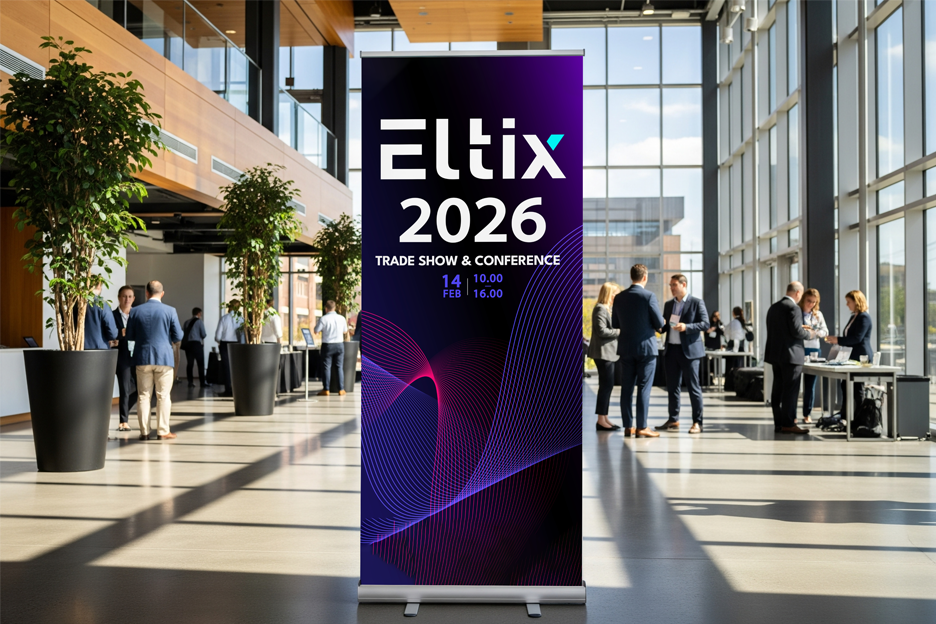
Tradeshow banners are typically vertical or freestanding and designed to be seen from a distance. They work well in inline booths, near aisle edges, or as supporting graphics alongside other displays. Banners are often used to highlight a single message, product, or value proposition.
Tradeshow backdrops, on the other hand, form the visual foundation of a booth. They span the back wall or rear structure and provide a large canvas for branding, imagery, and messaging. Backdrops help define the booth footprint and create a cohesive look across the space.
Many exhibitors use both together. A backdrop establishes brand presence, while banners reinforce specific messages or calls to action.
Booth Backdrops and Step-and-Repeat Use Cases
A tradeshow booth backdrop does more than fill wall space. It anchors the booth visually and creates a consistent background for conversations, demos, and photos.
Step-and-repeat backdrops are a specific type of booth backdrop often used for media moments, social sharing, or branded photo opportunities. These backdrops repeat a logo or pattern and work especially well for product launches, sponsored activations, or high-traffic booths.
Backdrops should be designed with viewing distance in mind. Messaging needs to be legible from several feet away, and imagery should support the brand without overwhelming the space. In many cases, less text and stronger visuals perform better.
For more on how the look and feel of your booth affects participants, read our guide on driving traffic and engagement through tradeshow booth design.
Tradeshow Signage for Visibility and Wayfinding
Tradeshow signage extends beyond banners and backdrops. Signs help guide attendees to your booth and orient them once they arrive.
Hanging signs, header signs, and directional signage increase visibility above the exhibit floor, especially in large halls. Within the booth, signage can identify demo areas, meeting spaces, or featured products.
Effective tradeshow signs balance clarity with simplicity. Too many signs can clutter the booth, while too few leave attendees unsure where to go. The goal is to support movement and engagement without distraction.
Sign placement should align with traffic flow and booth layout, reinforcing the overall design strategy rather than competing with it.
Outdoor and Exterior Booth Sign Considerations
Some events include outdoor exhibit areas, exterior booths, or high-visibility entrances that require different signage strategies.
Signs for outside tradeshow booths must account for lighting conditions, weather exposure, and longer viewing distances. Durable materials, high-contrast colors, and simple messaging become even more important in these environments.
Exterior signage often focuses on brand recognition and location awareness rather than detailed messaging. Large logos, bold headlines, and directional elements help attendees find the booth quickly.
When planning outdoor signage, it is also important to confirm event regulations regarding size, placement, and materials.
Common Mistakes to Avoid
Many exhibitors invest in signage but fail to see results due to avoidable mistakes.</span
One common issue is overcrowded messaging. Trying to communicate too much information at once makes graphics harder to read and easier to ignore. Another mistake is ignoring viewing distance, resulting in text that is unreadable from the aisle.
Inconsistent branding across banners, backdrops, and signage can also weaken impact. Fonts, colors, and imagery should align with brand guidelines and booth design.
Finally, signage should never be an afterthought. Graphics work best when planned alongside booth layout, lighting, and accessories.
How Banners and Signage Work with Booth Design
Tradeshow banners and signage are most effective when they support the overall booth design rather than stand alone.
Design elements such as lighting, flooring, and furniture influence how signage is perceived. Proper lighting can enhance visibility, while poor lighting can wash out colors or create glare. Booth layout determines sightlines and affects which graphics attendees see first.
When banners, backdrops, signage, and accessories are planned together, the booth feels intentional and easy to navigate. This cohesion improves engagement and helps staff focus on meaningful conversations instead of directing traffic.
For a broader look at how signage fits into a complete tradeshow strategy, including booth types, design considerations, giveaways, planning timelines, and ROI, visit our Complete Guide to Tradeshow Marketing Success. It brings all the moving pieces together and helps you plan with confidence from start to finish.