Choosing the right tradeshow display is one of the most important decisions in event planning. The display sets the tone for how your brand is perceived and directly affects visibility, traffic flow, and engagement. While custom tradeshow displays often deliver the strongest visual impact, they are not always the right fit for every event or organization.
Understanding the differences between custom, portable, pop-up, and tabletop displays helps teams invest wisely and build a booth presence that aligns with their goals, budget, and long-term event strategy.
Custom vs Portable Tradeshow Displays
Custom tradeshow displays are designed specifically for a brand, event strategy, or recurring show schedule. These displays are built to reflect brand identity through tailored layouts, materials, finishes, and graphics. Custom solutions often include integrated lighting, storage, meeting areas, and technology that are planned from the start rather than added later.
Portable tradeshow displays are designed for flexibility and ease of use. They are typically modular, lightweight, and easy to transport, making them ideal for teams attending multiple events throughout the year. Portable displays prioritize speed of setup and adaptability over fully customized aesthetics.
The decision between custom and portable often depends on how central tradeshows are to your overall marketing strategy. Brands that view events as a primary growth channel tend to invest more heavily in custom exhibits, while others rely on portable solutions as part of a broader approach outlined in our complete guide to tradeshow booths and displays.
Benefits of Custom Tradeshow Booths
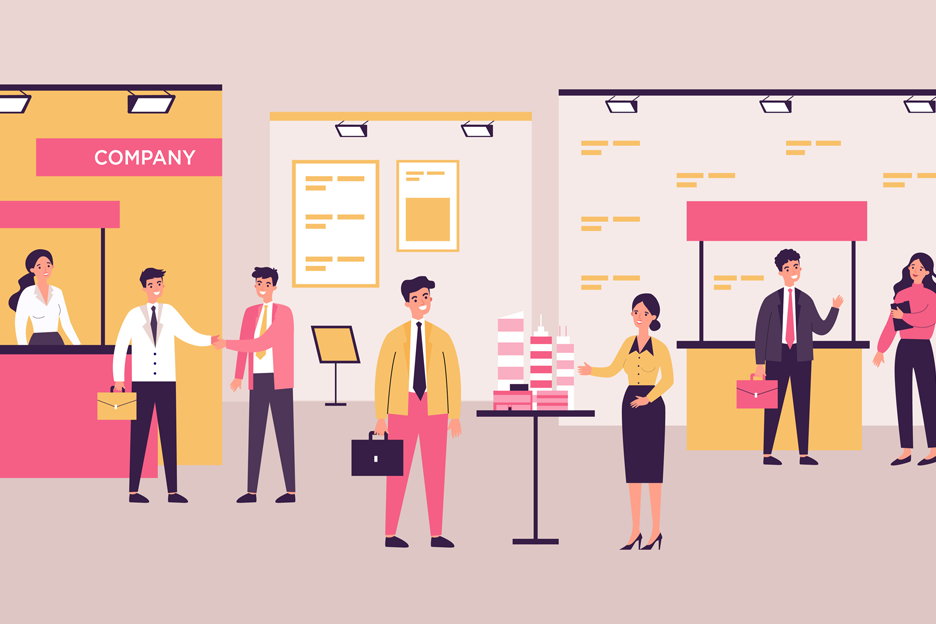
Custom tradeshow booths offer a level of control and polish that is difficult to achieve with off-the-shelf solutions. Because the display is designed around your brand, messaging and layout work together seamlessly.
One major advantage is visual differentiation. In crowded exhibit halls, custom booths help brands stand out by breaking away from standard templates. Unique layouts, materials, and lighting draw attention and create a memorable impression.
Custom booths also support intentional engagement. Meeting areas, demo zones, and storage can be built directly into the design, improving traffic flow and making conversations more comfortable for both staff and attendees. When these elements are aligned with smart booth layout and visual hierarchy, they reinforce many of the same principles discussed in our booth design ideas that drive traffic and engagement.
Portable and Pop-Up Display Use Cases
Portable tradeshow displays and pop-up tradeshow displays are ideal for teams that need flexibility. These solutions are easy to transport, quick to set up, and adaptable to different booth sizes and configurations.
Pop-up displays work well for regional shows, sponsorship events, or conferences with limited setup time. They are also a practical choice for companies attending multiple events with smaller teams.
Portable displays allow brands to maintain consistency without committing to a fully custom build. Modular components can often be rearranged to fit different booth layouts, making them useful for organizations still refining their event strategy.
While portable displays may not deliver the same visual impact as custom exhibits, they offer reliability and efficiency that many teams value, especially when attending several events per year.
Tabletop Displays for Smaller Events
Tabletop tradeshow displays and table top tradeshow displays serve a different purpose than full booth environments. These displays are designed for smaller events, networking sessions, tabletop shows, or shared exhibit spaces.
Tabletop displays focus on concise messaging and branding within a limited footprint. They are often paired with branded table covers, literature holders, or small giveaways to create a complete presentation.
For organizations testing new markets or attending lower-cost events, tabletop displays provide an accessible entry point. They are also useful for sales teams who need a professional presence without the logistics of a full booth.
Tabletop displays for tradeshows can complement larger display strategies by extending brand presence into smaller or regional events without additional investment in custom structures.
Cost, Reuse, and Scalability Considerations
Cost is often the deciding factor when choosing between custom and portable tradeshow displays, but upfront price should not be the only consideration.
Custom tradeshow displays typically require a higher initial investment, but they can deliver long-term value when reused across multiple shows. Modular custom designs allow brands to update graphics or reconfigure layouts without starting from scratch.
Portable and pop-up displays offer lower upfront costs and minimal storage or shipping expenses. They are easier to scale across teams and events, especially when booth sizes vary.
Scalability matters as well. Some brands start with portable displays and transition to custom booths as their tradeshow strategy matures. Others maintain a mix, reserving custom exhibits for flagship events and portable displays for secondary shows.
Evaluating how often a display will be used, how it will travel, and how it might evolve over time goes hand in hand with selecting the right booth footprint. That decision-making process is explored further in our guide to choosing the right tradeshow booth size for your goals.
Custom tradeshow displays can significantly enhance a booth’s presence, but they are most effective when chosen with purpose. Understanding the differences between custom, portable, pop-up, and tabletop displays allows teams to build a flexible strategy that balances impact, budget, and scalability.
For a broader look at how display choices fit into a complete tradeshow plan—including booth sizes, design strategy, signage, accessories, giveaways, and ROI—visit Tradeshow Booths & Displays: The Complete Guide to Tradeshow Marketing Success. It brings all the pieces together and helps you plan a booth presence that delivers results.